


HUAREN MEDICAL TECHNOLOGY
NEWS
Company News
23
2023-04
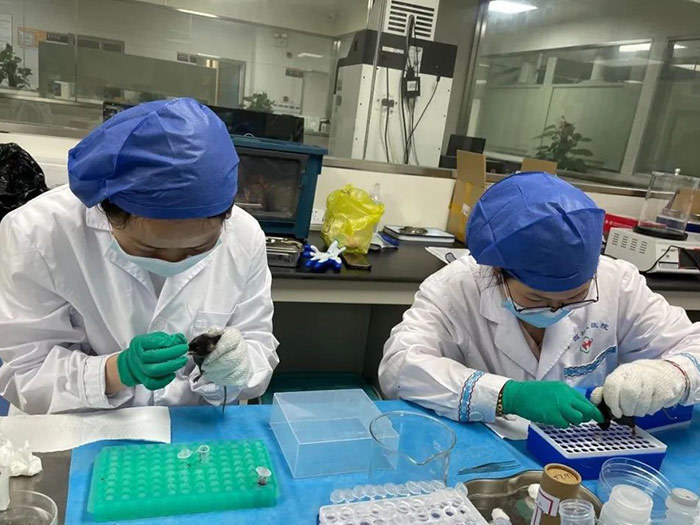
What do you know about blood collection in laboratory animals
In experimental animal research, blood is often collected from experimental animals for testing and analysis. Researchers need to know the amount of blood circulating in the animals, which depends on the species, sex, age, health and nutritional status. For the same species, larger animals have less circulating blood volume than smaller animals, and older and obese animals have less circulating blood volume than younger and normal weight animals. Table 1 shows the circulating blood volume of common laboratory animals.
View More18
2023-04
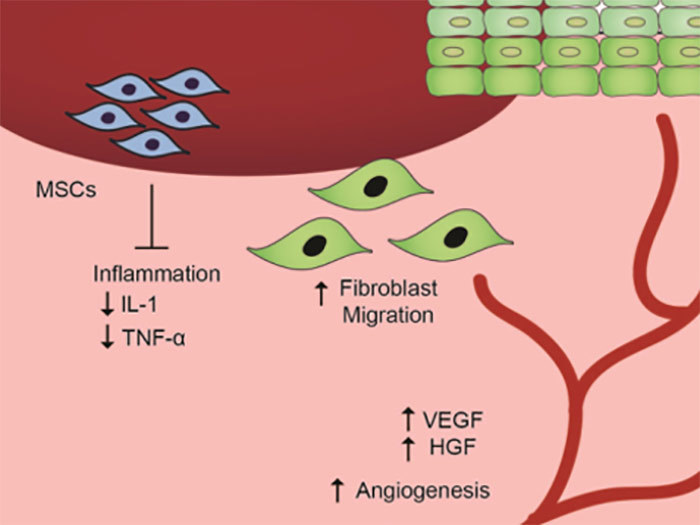
Stem cells in chronic wound healing
Trauma, burns and many chronic diseases, such as diabetes and peripheral vascular disease, can lead to chronic intractable wounds. As the prevalence of obesity and diabetes rises, so does the incidence of chronic wounds. Such wounds pose a great challenge for clinical management and have a serious impact on the patient's image and psychology. Currently, treatments for chronic wounds include debridement, topical antibiotics, compression bandages, skin grafts, and growth factors. However, the results are unsatisfactory and there is an urgent need to explore new approaches.
View More16
2023-04
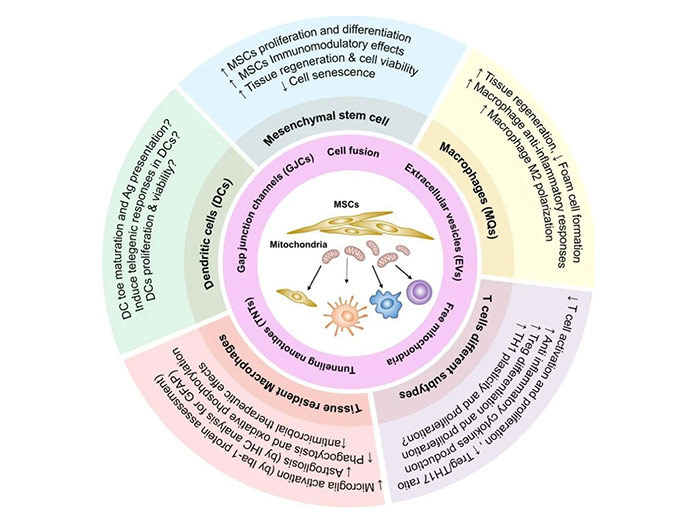
A new mechanism of action for mesenchymal stem cells - mitochondrial therapy
MSCs are one of the most commonly used candidate cells in regenerative medicine research and show great potential in clinical therapy, improving tissue function and treating various diseases through mechanisms of action such as secretion of factors, transfer of extracellular vesicles, migration to the site of injury, differentiation into different cells, and restoration of cell function [1]. The cellular state of pathological environments in clinical settings can be affected, causing damage to cellular mitochondria, leading to a decrease in ATP production and triggering impaired cellular function or even death. Recently, a new strategy called mitochondrial therapy is being investigated for different diseases, based on the principle of using exogenous mitochondria to transfer into cells and thus repair the pathological state. MSCs, a pioneer in the field of cellular therapy, can serve as a good donor for the transfer of functional mitochondria into damaged cells (Figure 1) [2]. Studies have shown that mitochondrial transfer of MSCs can affect other cells in important processes such as proliferation, differentiation, metabolism, inflammatory response, senescence, stress and migration [3].
View More05
2023-04

How to efficiently complete the preparation of animal models of knee osteoarthritis
Osteoarthritis (OA) is a chronic degenerative joint disease that mainly occurs in the middle-aged and elderly population, with degeneration of articular cartilage and osteophytes as the pathological features, and clinical manifestations such as joint pain, swelling, stiffness, and limited activities, which can lead to joint dysfunction and disability, and the prevalence of osteoarthritis of the knee in our country ranges from 5 to 30% [1]. The risk factors for osteoarthritis are mechanical and non-mechanical, mechanical factors include anterior cruciate ligament rupture, meniscus tear, muscle misalignment, etc., while non-mechanical factors include genetics, obesity, age, gender and inflammation. These risk factors may contribute to the development of osteoarthritis with different characteristics. Animal experimentation is an important vehicle for drug development and plays an important role in the drug development process.
View More02
2023-04

How nanotechnology can help CAR-T cell immunotherapy
How nanotechnology can help CAR-T cell immunotherapy CAR, or chimeric antigen receptor, has a modular design consisting of an extracellular antigen-binding structural domain, a hinge, a transmembrane structural domain, and an intracellular signalling structural domain. The antigen-binding domain is derived from the single-chain antibody scFv and contains the variable heavy chain (VH) and variable light chain (VL), a region responsible for antigen recognition. The intracellular signalling domain contains CD3ζ derived from the T-cell receptor (TCR), and when the scFv of the antigen-binding domain binds to an antigen, TCR-like signals are transmitted intracellularly and activate the T-cell. The transmembrane structural domain, on the other hand, acts as a link between the intracellular and extracellular compartments, anchoring the CAR structure to the T cell membrane.
View More27
2023-03

The spring tide is surging and the weather is new, and it is the right time to sail. March of the southern spring and scenery, March of Huaren a faction of vitality, March 26, Guangxi University School of Medicine and Guangxi Huaren Medical Science and Technology Group Cooperation Project Signing Ceremony in Guangxi Huaren Medical Science and Technology Group Joint Experimental Center was successfully completed. The two sides jointly signed the "co-construction of" industry and education fusion "," Guangxi University School of Medicine graduates employment base "," co-construction of "Guangxi Biomedical International Joint Laboratory "" and other cooperation agreements, the future is intended to focus on talent cultivation, science and technology research and construction of scientific research platforms. In the future, it is intended to carry out a wide range of cooperation, and jointly assist the development of biomedical health industry in Guangxi.
View MoreSUBSCRIPTION INFORMATION
We will send you real-time information regularly!
Guangxi Huaren Medical Technology Group Co., Ltd.
Tel: 400-138-8669/ 0771-611-0603
Address: 15th Floor, Building A, Biyuan Center, Wuxiang New District, Nanning City, China (Guangxi) Pilot Free Trade Zone

Huaren Medical Technology
Huaren Medical Research
Hua Ren Cell said